
Contents
Overview
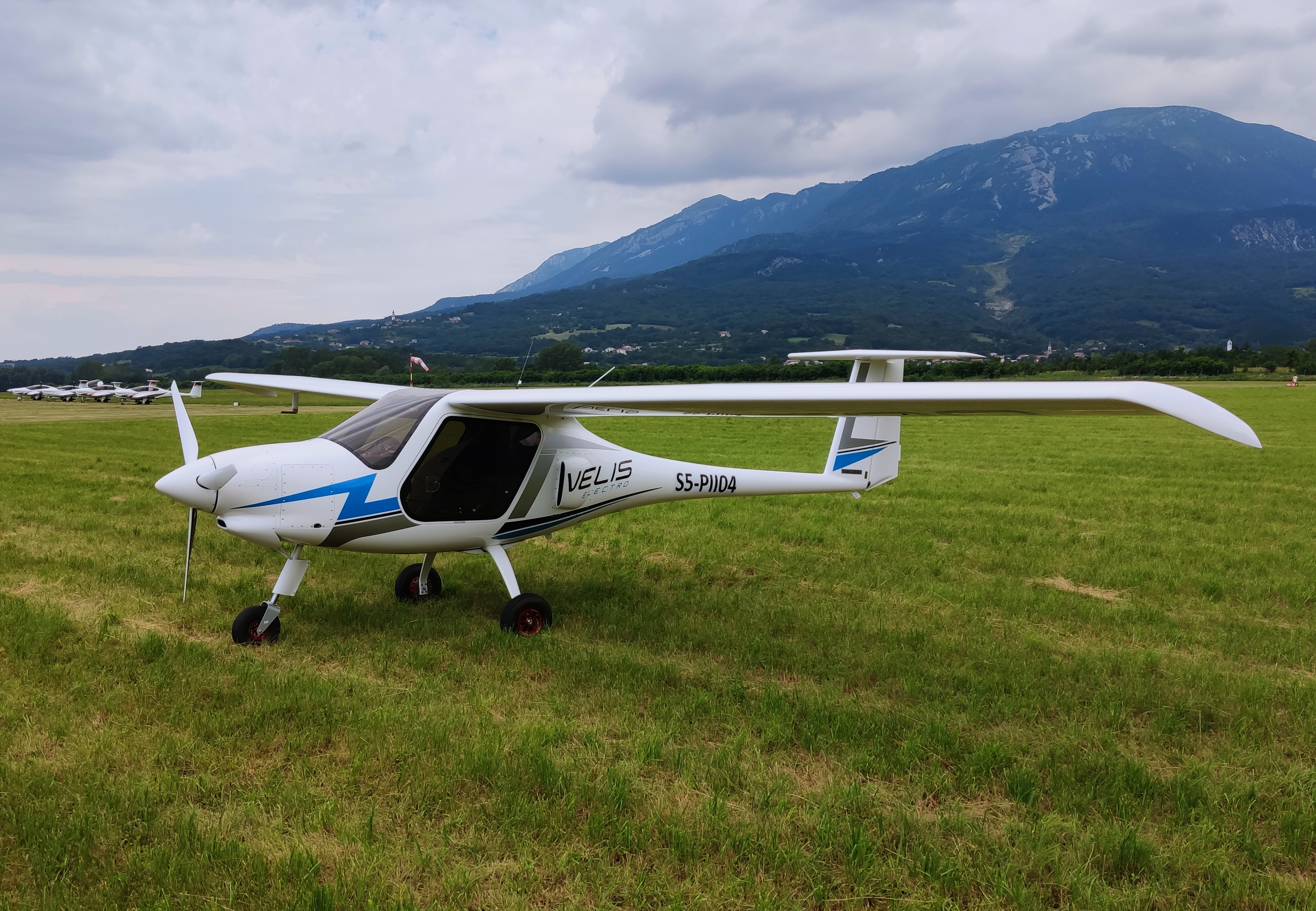
Electric planes are a new generation of aircraft that use electricity as their primary source of power, offering a cleaner and quieter alternative to traditional fossil fuel-based aviation. With the potential to reduce greenhouse gas emissions and noise pollution, electric planes are being developed for a range of applications, from small unmanned aerial vehicles (UAVs) to larger crewed aircraft. Several companies and organizations are working on developing electric planes, including Eviation, Joby Aviation, and Lilium. As the technology continues to evolve, electric planes are expected to play an increasingly important role in the future of aviation, with potential applications in areas such as cargo transport, aerial surveying, and passenger travel.
Origins & History
The concept of electric planes dates back to the 19th century, with the first crewed flights in an electrically powered airship taking place in the 1880s. Since then, several companies and organizations have been working on developing electric planes, including Eviation, Joby Aviation, and Lilium. The development of electric planes has been driven by advances in technology, including improvements in battery efficiency and electric motor design.
How It Works
Electric planes use electricity as their primary source of power, which is typically stored in batteries and used to power electric motors. The batteries are used to power electric motors, which drive propellers or turbines to generate thrust. The use of electric motors and batteries allows for a more efficient and quieter flight experience, with reduced greenhouse gas emissions and noise pollution.
Key Facts & Numbers
The global electric plane market is reportedly growing, with several companies and organizations working on the development of electric aircraft for a range of applications. The FAA and EASA are providing funding and support for the development of electric aircraft. The production of electric planes is expected to create new job opportunities.
Key People & Organizations
Several companies and organizations are working on the development of electric planes, including Eviation, Joby Aviation, and Lilium. Companies like Tesla and Siemens are investing heavily in research and development.
Cultural Impact & Influence
The development of electric planes is having a significant impact on the aviation industry, with many companies and organizations investing in the development of electric aircraft. According to some sources, the development of electric planes could create new job opportunities and stimulate economic growth in the aviation industry.
Current State & Latest Developments
The development of electric planes is currently underway, with several companies and organizations working on the development of electric aircraft for a range of applications. The FAA and EASA are providing funding and support for the development of electric aircraft.
Controversies & Debates
One of the main controversies surrounding the development of electric planes is the high cost of production, which could make them less competitive with traditional fossil fuel-based aircraft. Another controversy is the limited range and endurance of electric planes, which could limit their use for long-distance flights. Some critics have also raised concerns about the environmental impact of producing electric planes, including the extraction of raw materials and the disposal of batteries.
Future Outlook & Predictions
The future of electric planes looks promising, with many companies and organizations investing in the development of electric aircraft. The use of electric planes could reportedly reduce greenhouse gas emissions and noise pollution from aviation, making it a more sustainable and environmentally friendly mode of transportation.
Practical Applications
Electric planes have a range of practical applications, from small unmanned aerial vehicles (UAVs) to larger crewed aircraft, and could be used for passenger transport, cargo transport, and other applications.
Key Facts
- Category
- resources
- Type
- topic